
Metatranscriptomics involves analyzing the transcriptome, which refers to all RNA molecules, produced by the microorganisms found in a specific environment, such as the gut, water, or soil. By using high-throughput RNA sequencing, researchers can gain a better understanding of gene expression patterns, metabolic activities, and the functional roles of various microbial species in the ecosystem.
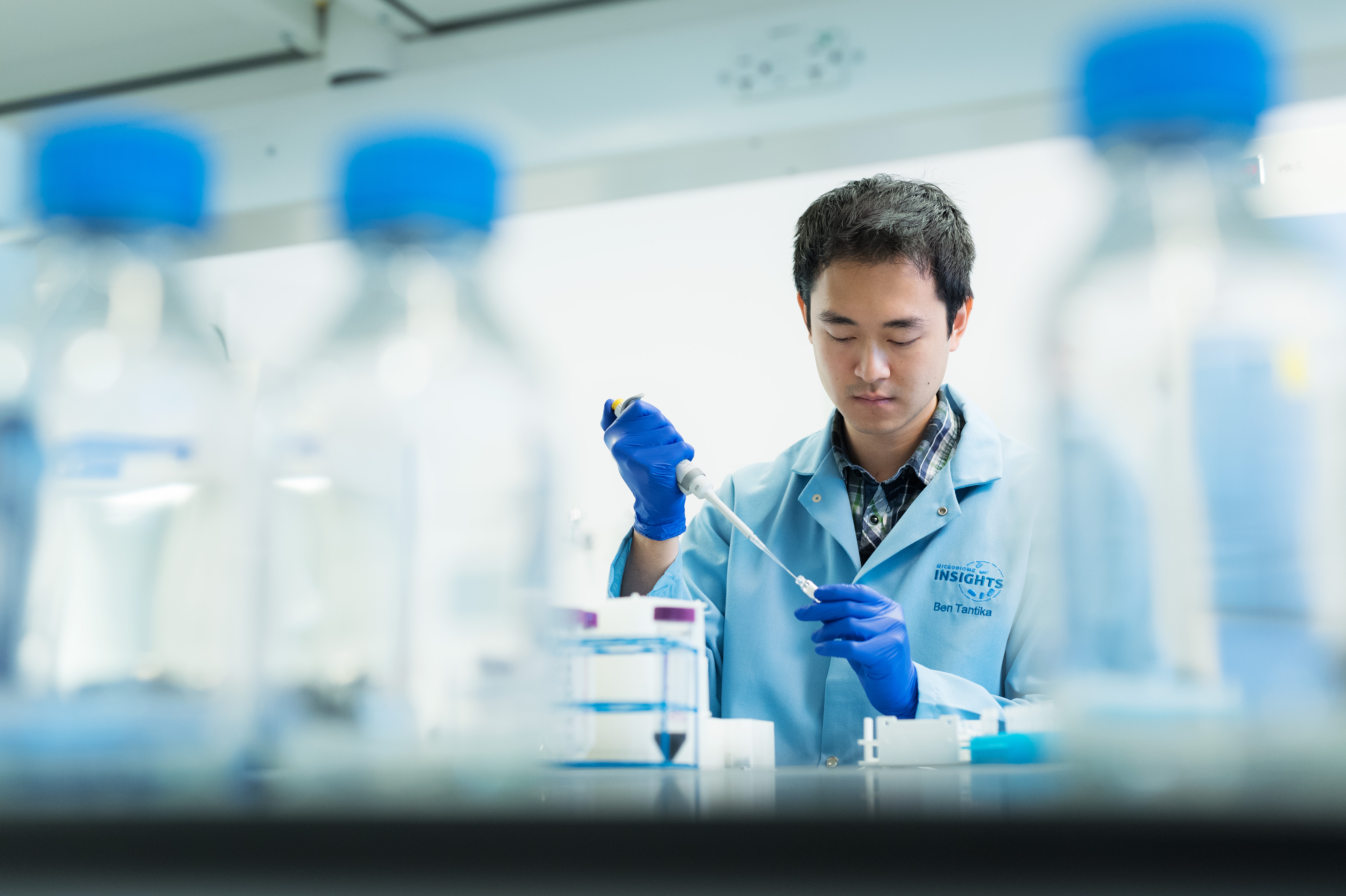

In this guide, we will explore the principles and applications of 16S rRNA sequencing, including sample preparation, DNA extraction, library preparation, sequencing, and data analysis.

Learn about the importance & techniques of quantifying microbial organisms in microbiome studies using next-gen sequencing.

For our newest issue of Team Insights, we bring in a new member of our Laboratory team: Kody Fung.

Welcome to our new Team Insights segment. Our tweith issue highlights a new member of our sales team, Sarah Carden.

Before conducting a microbiome study with shotgun metagenomic sequencing, it is important to consider how deeply you will sequence your samples.

Welcome to our new Team Insights segment. Our eleventh issue highlights a new member of our sales team, Seanon Crean.
Microbiome Insights, Inc. announced today it was awarded an $881,000 contract from Health Canada to develop a testing platform to accurately identify and characterize micro-organisms found in microbial biotechnology products, and predict their interactions that could mask or enhance adverse effects to determine risks to human and environmental health.